In today’s fast-evolving digital economy, the term b2b2c is gaining serious traction. It’s not just a buzzword—it’s a transformative business model reshaping how companies interact with customers through strategic partnerships. Let’s dive into what makes b2b2c a game-changer.




What Is B2B2C and Why It Matters

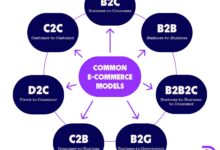
The b2b2c model—short for Business-to-Business-to-Consumer—represents a hybrid ecosystem where one business sells its products or services to another business, which then delivers value directly to the end consumer. Unlike traditional B2B or B2C models, b2b2c combines the strengths of both, creating a seamless value chain that benefits all parties involved.
Defining the B2B2C Model
At its core, b2b2c is about collaboration. A supplier (B) provides goods or services to a retailer or platform (B), who then offers them to the final customer (C). This layered approach allows brands to scale without direct consumer engagement while leveraging the reach and trust of established customer-facing businesses.
Example: A skincare ingredient manufacturer supplies to a beauty brand, which sells directly to consumers via an e-commerce site.Another example: Cloud software providers (like Shopify) enable merchants (B) to sell to shoppers (C).The key is indirect access to the consumer with shared branding and data..
“The future of commerce isn’t just B2B or B2C—it’s b2b2c, where ecosystems win over silos.” — Gartner Research, 2023
How B2B2C Differs from Traditional Models
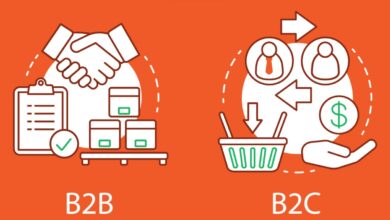
Traditional B2B focuses on transactions between businesses with little concern for the end-user.B2C, on the other hand, prioritizes direct consumer relationships.B2B2C bridges the gap by making the end consumer central—even when the first ‘B’ doesn’t interact with them directly..
- In B2B, success is measured by contract size and supply chain efficiency.
- In B2C, success hinges on customer experience, branding, and retention.
- In b2b2c, both matter: the business partner’s operational needs and the consumer’s experience are equally critical.
This dual focus requires new strategies in marketing, data sharing, and customer service alignment.
The Evolution of B2B2C in the Digital Age
The rise of digital platforms, omnichannel retail, and data-driven marketing has accelerated the adoption of the b2b2c model. What was once a behind-the-scenes arrangement is now a front-and-center strategy for growth.
From Supply Chains to Ecosystems
Historically, B2B relationships were linear: manufacturer → distributor → retailer → consumer. The b2b2c model transforms this into a dynamic ecosystem where information, branding, and customer insights flow in multiple directions.
- Manufacturers now co-brand with retailers to influence consumer perception.
- Data from end-users is shared (with consent) to improve product development.
- Platforms like Amazon Business or Alibaba enable b2b2c dynamics at scale.
This shift is powered by technology that allows real-time integration between systems, enabling transparency and responsiveness.
Technology as the Enabler of B2B2C
Digital infrastructure—cloud computing, APIs, AI, and CRM systems—has made b2b2c not just possible but profitable. Businesses can now integrate their backend systems with partners’ frontends, creating a unified customer journey.
- APIs allow inventory, pricing, and order data to sync across platforms.
- AI-driven analytics help predict consumer behavior based on shared data pools.
- CRM tools like Salesforce enable collaborative customer management.
For instance, a logistics company providing delivery services to e-commerce platforms can use shared data to optimize routes based on consumer purchase patterns.
Key Benefits of the B2B2C Model
Adopting a b2b2c strategy offers tangible advantages for all stakeholders. It’s not just about selling more—it’s about building smarter, more resilient business networks.
For the First Business (B1): Scalability Without Direct Customer Overhead
Manufacturers, SaaS providers, or wholesalers can expand their market reach without investing heavily in marketing, sales teams, or customer service infrastructure.
- Access to new markets through established distribution partners.
- Reduced customer acquisition costs (CAC) since the second business handles direct engagement.
- Opportunities for premium positioning through co-branding.
For example, a premium coffee bean supplier partnering with boutique cafes can position itself as a luxury brand without opening its own stores.
For the Second Business (B2): Enhanced Product Offerings and Customer Trust
Retailers or platforms gain access to high-quality products or services that enhance their value proposition. This strengthens customer loyalty and differentiates them from competitors.
- Ability to offer exclusive or white-labeled products.
- Improved margins through direct partnerships, cutting out middlemen.
- Access to manufacturer expertise for better customer support.
A fitness app partnering with a nutrition brand to offer meal plans creates a more holistic user experience, increasing retention.
For the Consumer (C): Better Experience and Greater Value
End consumers benefit from higher quality, more personalized offerings, and often better pricing due to optimized supply chains.
- Seamless integration of products and services (e.g., smart home devices working with energy providers).
- Access to expert-backed solutions through trusted brands.
- Improved post-purchase support due to shared accountability.
In healthcare, a medical device company (B1) supplying to a telehealth platform (B2) enables patients (C) to receive remote monitoring with real-time data analysis.
Real-World Examples of Successful B2B2C Strategies
Theoretical models are useful, but real-world applications show the true power of b2b2c. Let’s explore some industry-leading examples that have mastered this approach.
Amazon and Third-Party Sellers
Amazon is perhaps the most iconic b2b2c example. While Amazon sells directly to consumers (B2C), it also enables thousands of manufacturers and brands (B1) to sell through its platform (B2) to consumers (C).
- Amazon provides logistics, payment processing, and customer service infrastructure.
- Sellers maintain brand identity and pricing control.
- Consumers enjoy a vast selection with trusted fulfillment.
This model has allowed Amazon to dominate e-commerce while empowering small businesses to scale globally. Learn more at Amazon’s Seller Central.
Microsoft and Managed Service Providers (MSPs)
Microsoft offers cloud services like Azure and Microsoft 365 to businesses. However, many small and mid-sized companies access these tools through MSPs—IT service providers who manage deployment, support, and training.
- Microsoft focuses on product development and enterprise sales.
- MSPs handle customer onboarding and technical support.
- End businesses get tailored solutions without needing in-house IT expertise.
This b2b2c structure allows Microsoft to penetrate markets it couldn’t reach directly, while MSPs build recurring revenue streams.
Automotive Industry: OEMs, Dealers, and Drivers
Car manufacturers (OEMs) produce vehicles sold through dealerships. Increasingly, OEMs are embedding connected services (e.g., Tesla’s over-the-air updates) that continue to engage drivers post-purchase.
- Dealerships handle sales and service, maintaining local relationships.
- OEMs collect vehicle data to improve safety, performance, and future models.
- Drivers receive software updates, remote diagnostics, and personalized features.
This creates a continuous feedback loop where the manufacturer stays connected to the end-user through the dealer, a classic b2b2c dynamic.
Challenges and Risks in the B2B2C Model
Despite its advantages, the b2b2c model introduces complexity. Success depends on alignment, trust, and clear governance between partners.
Data Sharing and Privacy Concerns
One of the biggest hurdles is determining how much customer data to share and how to protect it. While data transparency improves personalization, it also raises privacy and compliance issues.
- Different regions have varying data protection laws (e.g., GDPR in Europe, CCPA in California).
- Partners may compete in certain markets, making data sharing risky.
- Consumers may not be aware of who collects their data in a b2b2c chain.
Solutions include anonymized data sharing, clear consent mechanisms, and contractual agreements on data usage. For best practices, refer to IAPP’s privacy guidelines.
Brand Control and Customer Experience
When a second business handles customer interactions, the first business risks losing control over brand perception. Poor service by the intermediary can damage the supplier’s reputation.
- Inconsistent messaging across touchpoints.
- Delays in issue resolution due to multi-party accountability.
- Lack of unified customer support standards.
To mitigate this, companies establish brand guidelines, co-train support teams, and implement shared KPIs for customer satisfaction.
Revenue Sharing and Partnership Conflicts
Profit distribution can become a point of contention. Disagreements over margins, promotional costs, or exclusivity clauses can strain relationships.
- Unclear contracts lead to disputes over who owns the customer relationship.
- One partner may feel they contribute more value than their revenue share reflects.
- Scaling the partnership may require renegotiation of terms.
Transparent agreements, regular performance reviews, and joint business planning are essential to maintain harmony.
How to Build a Successful B2B2C Strategy
Transitioning to a b2b2c model requires more than just finding a partner. It demands strategic planning, technological integration, and cultural alignment.
Step 1: Identify the Right Partners
Not all businesses make good b2b2c partners. Look for companies that share your values, target a complementary audience, and have a strong customer relationship.
- Assess their market reach, brand reputation, and operational reliability.
- Ensure their customer base aligns with your ideal buyer persona.
- Conduct due diligence on their financial health and customer satisfaction metrics.
Tools like Crunchbase or LinkedIn Sales Navigator can help identify potential partners.
Step 2: Align Goals and Define Roles
Clearly define each party’s responsibilities: Who handles marketing? Who owns customer service? Who collects data?
- Create a joint business plan with shared objectives (e.g., customer acquisition targets, NPS goals).
- Establish service level agreements (SLAs) for delivery, support, and communication.
- Design co-branded campaigns that highlight both partners’ strengths.
Regular strategy meetings ensure alignment and adaptability.
Step 3: Integrate Systems and Share Data Securely
Operational efficiency depends on seamless integration. Use APIs, middleware, or integration platforms as a service (iPaaS) to connect systems.
- Synchronize inventory, order status, and customer profiles in real time.
- Implement role-based access to sensitive data.
- Use encryption and audit trails to ensure compliance.
Platforms like MuleSoft or Zapier can facilitate secure data exchange.
The Future of B2B2C: Trends and Predictions
As digital transformation accelerates, the b2b2c model will become even more central to business strategy. Emerging trends point to deeper integration, smarter automation, and greater consumer empowerment.
Rise of Platform Ecosystems
We’re moving from isolated partnerships to interconnected ecosystems. Companies like Apple, Google, and Alibaba are building platforms where multiple b2b2c relationships coexist.
- Developers (B1) create apps for platforms (B2) used by consumers (C).
- Automotive OEMs open their vehicle APIs to third-party service providers.
- Healthcare platforms integrate diagnostics, insurance, and treatment providers.
These ecosystems create network effects—each new partner increases the value for all.
AI and Personalization at Scale
Artificial intelligence will enable hyper-personalized experiences across b2b2c chains. Predictive analytics can anticipate consumer needs and optimize partner interactions.
- AI recommends the right product bundle based on user behavior.
- Chatbots from both B1 and B2 can collaborate in real time to resolve issues.
- Dynamic pricing models adjust based on supply, demand, and partner performance.
For example, a smart refrigerator (B1) partnering with a grocery delivery service (B2) can automatically reorder milk when levels are low.
Consumer-Centric Ownership Models
Future b2b2c models will give consumers more control over their data and relationships. Concepts like decentralized identity and data wallets may allow users to choose which partners access their information.
- Consumers grant temporary data access for personalized offers.
- They can switch providers seamlessly without losing service continuity.
- Transparency dashboards show who is using their data and why.
This shift will force businesses to earn trust continuously, not just at the point of sale.
Measuring Success in B2B2C Partnerships
Traditional metrics like revenue and profit are still important, but b2b2c requires a broader set of KPIs to capture the health of the ecosystem.
Shared Performance Metrics
Both partners should track metrics that reflect joint success, not just individual gains.
- Customer Lifetime Value (CLV) across the entire chain.
- Net Promoter Score (NPS) for the end-to-end experience.
- First-contact resolution rate for support tickets.
Shared dashboards using tools like Tableau or Power BI can provide real-time visibility.
Partner Health Index
Develop a composite score that evaluates the strength of the partnership across dimensions like communication, innovation, and conflict resolution.
- Quarterly surveys to assess satisfaction and alignment.
- Review frequency and quality of joint initiatives.
- Track co-developed features or campaigns.
This helps identify issues before they escalate.
Consumer Trust and Brand Equity
In b2b2c, brand perception is shared. Monitor sentiment across both brands using social listening and brand tracking tools.
- Track mentions of both brands in customer reviews.
- Measure attribution of positive experiences (e.g., “I love this product from X, sold by Y”).
- Assess whether the partnership enhances or dilutes brand value.
Strong co-branding can lead to mutual reputation uplift.
What is b2b2c?
B2B2C, or Business-to-Business-to-Consumer, is a business model where a company sells its products or services to another business, which then delivers them to the end consumer. This model enables indirect market access while maintaining brand presence and customer insights.
How does b2b2c differ from B2B and B2C?
Unlike pure B2B (focused on business clients) or B2C (direct to consumers), b2b2c involves a partnership where the first business influences the end consumer experience through a second business. It combines supply chain efficiency with customer-centric strategies.
What are the main challenges of b2b2c?
Key challenges include data privacy concerns, brand control issues, revenue sharing conflicts, and system integration complexity. Success requires clear agreements, trust, and aligned goals between partners.
Can small businesses use the b2b2c model?
Absolutely. Small manufacturers, SaaS startups, or service providers can leverage larger platforms (like Amazon, Shopify, or MSPs) to reach consumers without building direct sales infrastructure. It’s a scalable growth strategy.
What industries benefit most from b2b2c?
Industries with complex supply chains or service layers—such as e-commerce, healthcare, automotive, SaaS, and retail—benefit significantly. Any sector where value is delivered through intermediaries can adopt b2b2c for greater efficiency and customer engagement.
The b2b2c model is redefining how value flows in the modern economy. By connecting businesses and consumers through strategic partnerships, it unlocks scalability, innovation, and deeper customer relationships. While challenges exist, the rewards—when executed well—are transformative. As technology evolves and consumer expectations rise, b2b2c will not just be an option but a necessity for competitive advantage.
Further Reading: