Ever wondered what ‘b2b meaning’ really stands for? It’s more than just business jargon—it’s the backbone of global commerce. Let’s break it down in simple, powerful terms.





B2B Meaning: The Core Definition

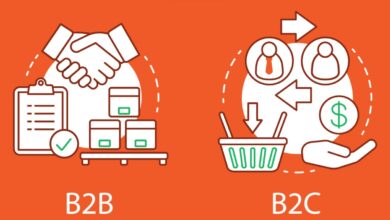
At its heart, the b2b meaning refers to ‘business-to-business’—a transaction model where one business sells products or services to another. Unlike B2C (business-to-consumer), B2B focuses on serving other companies rather than individual customers. This distinction shapes everything from marketing strategies to sales cycles.
What Does B2B Stand For?
The acronym B2B stands for ‘Business-to-Business.’ It describes commercial transactions between two or more companies. For example, a software provider selling CRM tools to a marketing agency operates under the B2B model. These relationships are often long-term and built on contracts, bulk orders, and negotiated pricing.
- B2B is not about selling to end-users.
- Transactions are typically larger in volume and value.
- Decision-making involves multiple stakeholders.
“B2B is the engine of global supply chains.” — Harvard Business Review
How B2B Differs from B2C
Understanding the b2b meaning requires contrasting it with B2C. In B2C, companies sell directly to consumers, focusing on emotions, branding, and quick purchases. B2B, however, emphasizes logic, ROI, and long-term value. The sales process is longer, more complex, and often involves formal procurement procedures.
- B2B buyers seek efficiency and cost savings.
- B2C buyers are influenced by trends and emotions.
- B2B sales cycles can last months or even years.
Key Characteristics of B2B Transactions
The b2b meaning extends beyond a simple definition—it encompasses a unique set of operational traits that define how businesses interact. These characteristics shape the strategies companies use to attract, convert, and retain clients in the B2B space.
Longer Sales Cycles
B2B sales cycles are notoriously longer than their B2C counterparts. This is because purchasing decisions often require approval from multiple departments—finance, operations, IT, and executive leadership. A single deal might involve demos, negotiations, legal reviews, and pilot programs before closure.
- Average B2B sales cycle: 60–180 days.
- Complex products require more evaluation time.
- Relationship-building is critical throughout the process.
Higher Transaction Values
Because B2B transactions involve bulk purchases or enterprise-level services, the financial stakes are much higher. A single contract can be worth millions, especially in industries like manufacturing, SaaS, or logistics. This justifies the need for detailed proposals, service-level agreements (SLAs), and performance guarantees.
- Enterprise software deals often exceed $100K.
- Volume discounts are common in wholesale B2B.
- Payment terms are often net-30 or net-60.
Types of B2B Business Models
The b2b meaning manifests in various forms depending on the industry, product type, and value chain. Understanding these models helps businesses position themselves effectively in the market.
Manufacturers Selling to Wholesalers
This is one of the oldest B2B models. A manufacturer produces goods in bulk and sells them to wholesalers, who then distribute them to retailers. For example, a textile mill supplies fabric to a clothing wholesaler. This model relies on economies of scale and efficient logistics.
- High-volume, low-margin transactions.
- Relies on supply chain efficiency.
- Common in automotive, electronics, and apparel industries.
SaaS Companies Serving Enterprises
Software-as-a-Service (SaaS) has revolutionized the B2B landscape. Companies like Salesforce, Slack, and Zoom offer cloud-based tools that other businesses use to improve productivity. These services are subscription-based and often customizable to meet enterprise needs.
- Recurring revenue model.
- Scalable across departments.
- Requires strong customer success teams.
“SaaS has redefined B2B tech adoption.” — Gartner
Industries Dominated by B2B
While B2B exists in nearly every sector, some industries are almost entirely built on business-to-business interactions. Recognizing these sectors helps clarify the real-world impact of the b2b meaning.
Industrial Manufacturing
From steel producers to semiconductor fabricators, industrial manufacturing is a B2B stronghold. These companies supply raw materials or components to other manufacturers. For instance, a company producing microchips sells them to smartphone makers, not individual consumers.
b2b meaning – B2b meaning menjadi aspek penting yang dibahas di sini.
- Supply chain dependencies are critical.
- Quality and reliability are non-negotiable.
- Long-term contracts are standard.
IT and Technology Services
B2B tech services include cybersecurity, cloud infrastructure, and enterprise software. Firms like IBM, Oracle, and Cisco provide solutions that power other businesses’ operations. These services are often mission-critical, requiring high uptime and robust support.
- High barrier to entry due to technical complexity.
- Heavy investment in R&D.
- Global reach with localized support teams.
B2B Marketing Strategies That Work
Marketing in the B2B world is fundamentally different from B2C. The b2b meaning influences how companies craft their messaging, choose channels, and measure success.
Content Marketing and Thought Leadership
B2B buyers are highly informed and research-driven. They rely on whitepapers, case studies, webinars, and industry reports before making decisions. Content marketing positions a company as an authority in its field, building trust over time.
- Top-performing content includes ROI calculators and buyer’s guides.
- LinkedIn is the most effective social platform for B2B.
- SEO is crucial for organic lead generation.
“70% of B2B buyers consume at least 5 pieces of content before engaging with sales.” — Forrester Research
Account-Based Marketing (ABM)
ABM is a strategic approach where marketing and sales teams collaborate to target high-value accounts with personalized campaigns. Instead of casting a wide net, ABM focuses on a select group of companies, treating each as a market of one.
- Uses personalized emails, ads, and events.
- Aligns sales and marketing goals.
- Delivers higher ROI than traditional campaigns.
The Role of Technology in Modern B2B
Technology has transformed the way businesses interact, making the b2b meaning more dynamic than ever. Digital platforms, automation, and data analytics now drive efficiency and scalability in B2B operations.
CRM Systems and Sales Automation
Customer Relationship Management (CRM) tools like HubSpot and Salesforce are essential in B2B. They help track leads, manage pipelines, and automate follow-ups. With AI-powered insights, CRMs can predict customer behavior and recommend next steps.
- Centralizes customer data across teams.
- Improves lead nurturing and conversion rates.
- Integrates with email, social, and support tools.
E-Procurement and B2B Marketplaces
Platforms like Alibaba, Amazon Business, and ThomasNet have digitized B2B procurement. Companies can now source suppliers, compare prices, and place orders online—reducing friction and increasing transparency.
- Speeds up the purchasing process.
- Enables global supplier discovery.
- Supports digital invoicing and payment tracking.
“Digital B2B marketplaces will account for 17% of all B2B sales by 2025.” — McKinsey & Company
Challenges in the B2B Landscape
Despite its advantages, the B2B model comes with unique challenges. Understanding these hurdles is essential for long-term success and sustainability.
Complex Decision-Making Processes
In B2B, purchases often require approval from multiple stakeholders—finance, legal, operations, and C-suite executives. This complexity slows down deals and increases the risk of losing opportunities.
- Sales teams must map out decision-makers.
- Buyer personas are more intricate.
- Objection handling requires deep product knowledge.
Customer Retention and Churn
Acquiring a B2B customer is expensive, so retention is critical. However, if a service fails to deliver promised value, companies may switch providers quickly. High churn rates can damage profitability and reputation.
- Customer success teams are vital for onboarding.
- Regular check-ins prevent dissatisfaction.
- Feedback loops help improve offerings.
Future Trends Shaping B2B
The b2b meaning continues to evolve with technological and economic shifts. Staying ahead of trends ensures businesses remain competitive and relevant.
AI and Predictive Analytics
Artificial intelligence is transforming B2B sales and marketing. AI tools can analyze customer behavior, predict churn, and recommend personalized content. Predictive analytics helps forecast demand and optimize pricing strategies.
b2b meaning – B2b meaning menjadi aspek penting yang dibahas di sini.
- Chatbots handle initial customer inquiries.
- AI-driven insights improve lead scoring.
- Automated reporting saves time for sales teams.
Sustainability and Ethical Sourcing
More B2B buyers are prioritizing sustainability. Companies now evaluate suppliers based on environmental impact, labor practices, and carbon footprint. This shift is driven by corporate ESG (Environmental, Social, and Governance) goals.
- Green certifications boost credibility.
- Supply chain transparency is expected.
- Sustainable practices reduce long-term costs.
What is the basic b2b meaning?
The basic b2b meaning is ‘business-to-business,’ referring to transactions where one company sells products or services to another company, rather than to individual consumers. It’s a foundational model in global commerce.
How does B2B differ from B2C?
B2B involves longer sales cycles, higher transaction values, and multiple decision-makers, while B2C focuses on emotional appeals, shorter purchases, and individual consumers. The marketing and sales strategies differ significantly between the two.
What are common B2B industries?
Common B2B industries include industrial manufacturing, IT and technology services, wholesale distribution, logistics, and SaaS. These sectors rely heavily on inter-business relationships to function.
What is account-based marketing in B2B?
Account-based marketing (ABM) is a strategic B2B approach where marketing and sales teams target high-value accounts with personalized campaigns, treating each account as a market of one to increase engagement and conversion.
How is technology changing B2B?
Technology is streamlining B2B through CRM systems, e-procurement platforms, AI-driven analytics, and digital marketplaces. These tools enhance efficiency, transparency, and scalability in business transactions.
Understanding the b2b meaning is essential for anyone involved in modern business. From its core definition to evolving trends, B2B shapes how companies operate, collaborate, and grow. Whether you’re in manufacturing, tech, or services, mastering B2B dynamics can unlock new opportunities and drive sustainable success.
b2b meaning – B2b meaning menjadi aspek penting yang dibahas di sini.
Further Reading: