If you’ve ever wondered how companies sell to other companies, you’re in the right place. Let’s dive into real, impactful b2b examples that reveal how industries connect, grow, and thrive through strategic partnerships.





B2B Examples: Understanding the Core of Business-to-Business Sales

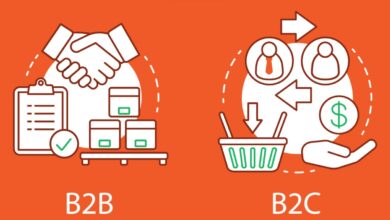
Business-to-business (B2B) transactions form the backbone of the global economy. Unlike business-to-consumer (B2C) models, B2B focuses on selling products or services from one company to another, often involving longer sales cycles, complex decision-making units, and higher transaction values. Understanding b2b examples helps clarify how value is created across supply chains, technology platforms, and service ecosystems.
What Defines a B2B Transaction?
A B2B transaction occurs when a business provides goods or services to another business rather than to individual consumers. These interactions are typically driven by operational needs, scalability goals, or strategic growth initiatives. For instance, a software company selling cloud infrastructure to an enterprise is engaging in a classic B2B model.
- Transactions are often based on contracts and long-term agreements.
- Decision-making involves multiple stakeholders like procurement teams, IT managers, and C-suite executives.
- Pricing is usually negotiated and volume-dependent.
“B2B isn’t just about selling—it’s about solving business problems at scale.” — Forbes Insights, 2023
Key Differences Between B2B and B2C
While both models aim to generate revenue, their approaches differ significantly. B2C marketing emphasizes emotional appeal and instant gratification, whereas B2B focuses on logic, ROI, and efficiency. In b2b examples, messaging often highlights cost savings, productivity gains, or integration capabilities.
- B2B buyers prioritize reliability, support, and long-term value over brand flashiness.
- Sales cycles in B2B can last months or even years, compared to minutes or hours in B2C.
- Customer relationships are more personalized and account-based in B2B.
Top 7 Real-World B2B Examples That Define Modern Commerce
To truly grasp the power and diversity of B2B models, we need to look at actual companies making an impact. These b2b examples span industries from tech to manufacturing, showcasing how businesses serve other businesses effectively.
1. Salesforce: Cloud CRM for Enterprises
Salesforce is one of the most iconic b2b examples in the SaaS (Software as a Service) world. It provides customer relationship management (CRM) tools that help businesses manage sales, marketing, and customer service operations.
- Salesforce sells its platform to companies of all sizes, from startups to Fortune 500 firms.
- Its ecosystem includes add-ons like Marketing Cloud, Service Cloud, and Einstein AI.
- Revenue model is subscription-based, ensuring recurring income and client retention.
The company reported over $31 billion in revenue in 2023, largely driven by enterprise contracts. By offering scalable, cloud-based solutions, Salesforce exemplifies how technology can empower other businesses to improve customer engagement. Learn more about their offerings at salesforce.com.
2. Amazon Business: B2B E-Commerce Giant
While Amazon is widely known for B2C retail, Amazon Business is a rapidly growing arm dedicated exclusively to B2B transactions. It allows companies to purchase office supplies, industrial equipment, and bulk inventory directly online.
- Amazon Business serves over 10 million businesses globally.
- Features include business-only pricing, volume discounts, and tax-exempt purchasing.
- Integrated with procurement systems for seamless expense tracking.
This division leverages Amazon’s existing logistics network to deliver fast, reliable service to business clients. It’s a prime example of how a consumer brand successfully expanded into the B2B space. Explore their platform at amazon.com/business.
3. Intel: Chip Supplier to Tech Giants
Intel is a foundational player in the semiconductor industry and a textbook case of b2b examples in manufacturing. The company designs and produces microprocessors sold to computer manufacturers like Dell, HP, and Lenovo.
- Intel doesn’t sell directly to end-users but enables other companies to build powerful devices.
- Partnerships with OEMs (Original Equipment Manufacturers) are central to its business model.
- Invests heavily in R&D to maintain technological leadership.
In 2023, Intel generated $54 billion in revenue, primarily from B2B sales. Its role in powering everything from laptops to data centers underscores how critical B2B suppliers are to the tech ecosystem. Visit intel.com for technical insights and product catalogs.
B2B Examples in the Software as a Service (SaaS) Industry
The SaaS sector is one of the fastest-growing areas in B2B commerce. These b2b examples highlight how cloud-based software solutions are transforming business operations across departments.
Slack: Internal Communication for Teams
Slack, now part of Salesforce, is a collaboration tool used by organizations to streamline internal communication. It replaces email threads with organized channels, direct messaging, and app integrations.
- Used by companies like Airbnb, Target, and IBM for team coordination.
- Offers enterprise-grade security and compliance features.
- Pricing scales with team size and feature access.
Slack’s success lies in solving a universal business problem: inefficient communication. By reducing email overload and improving workflow transparency, it delivers measurable productivity gains. Its adoption by large enterprises makes it a standout among b2b examples in digital transformation.
Zoom: Video Conferencing for Global Workforces
Zoom became a household name during the pandemic, but its core market has always been B2B. Companies use Zoom for virtual meetings, webinars, training sessions, and customer support.
- Offers tailored plans for small businesses, enterprises, and education institutions.
- Integrates with CRM, calendar, and project management tools.
- Provides analytics on meeting engagement and attendance.
In 2023, Zoom reported annual revenue of $4.4 billion, with over 70% coming from enterprise customers. Its reliability and ease of use have made it a preferred choice for remote and hybrid work models. Discover enterprise solutions at zoom.us.
Manufacturing & Supply Chain B2B Examples
Behind every physical product is a network of B2B relationships. These b2b examples illustrate how raw materials, components, and finished goods move through complex supply chains.
Caterpillar: Heavy Machinery for Industrial Projects
Caterpillar Inc. manufactures construction and mining equipment, diesel engines, and natural gas turbines. Its customers include governments, contractors, and energy companies.
- Sells excavators, bulldozers, and generators to firms executing large-scale infrastructure projects.
- Offers financing, maintenance, and fleet management services.
- Operates globally with localized support centers.
Caterpillar’s B2B model relies on durability, uptime guarantees, and lifecycle support. A single machine can cost hundreds of thousands of dollars, making trust and service critical. With over $59 billion in revenue in 2023, Caterpillar remains a leader in industrial B2B sales. Learn more at caterpillar.com.
3M: Diverse Industrial Solutions
3M is a multinational conglomerate known for its innovation across industries. From adhesive tapes to safety gear, its products are used by businesses worldwide.
- Supplies hospitals with medical tapes and respirators.
- Provides automotive manufacturers with bonding materials and insulation.
- Serves electronics companies with display films and circuit components.
3M’s B2B strategy focuses on solving niche technical challenges. Its R&D-driven approach results in patented solutions that become industry standards. This diversification makes 3M one of the most resilient b2b examples in manufacturing.
B2B Examples in Financial Services and Fintech
Financial institutions and fintech companies play a crucial role in enabling B2B commerce. These b2b examples show how money moves between businesses securely and efficiently.
Stripe: Payment Infrastructure for Online Businesses
Stripe provides APIs that allow companies to accept online payments, manage subscriptions, and handle fraud detection. It powers e-commerce platforms, SaaS apps, and marketplaces.
- Used by companies like Shopify, Slack, and Instacart to process transactions.
- Supports global currencies, tax calculations, and compliance checks.
- Offers advanced tools for revenue optimization and financial reporting.
Stripe’s developer-friendly approach has made it a favorite among tech startups and enterprises alike. In 2023, it processed over $1 trillion in payment volume, highlighting its massive B2B footprint. Explore their tools at stripe.com.
Plaid: Connecting Banks to Apps
Plaid acts as a bridge between financial institutions and fintech applications. When a user links their bank account to an app like Venmo or Robinhood, Plaid facilitates the secure data exchange.
- Enables real-time account verification and transaction syncing.
- Used by over 12,000 financial apps across North America and Europe.
- Complies with strict data privacy regulations like GDPR and CCPA.
Though invisible to end-users, Plaid is a critical enabler of modern B2B fintech ecosystems. Its infrastructure supports innovation without compromising security, making it a vital part of today’s digital economy.
B2B Examples in Logistics and Transportation
Efficient movement of goods is essential for B2B operations. These b2b examples demonstrate how logistics companies enable commerce across borders and industries.
UPS: Global Shipping and Supply Chain Solutions
United Parcel Service (UPS) is more than a parcel carrier—it’s a comprehensive logistics provider offering warehousing, freight forwarding, and customs brokerage.
- Provides B2B shipping solutions for manufacturers, retailers, and healthcare providers.
- Offers real-time tracking, route optimization, and carbon-neutral shipping options.
- Manages reverse logistics and returns processing for e-commerce clients.
UPS serves over 2 million business customers daily. Its integrated network spans air, ground, and ocean transport, making it a cornerstone of global B2B trade. In 2023, UPS generated $97 billion in revenue, with logistics services accounting for a growing share. Visit ups.com for business solutions.
FedEx: Express Delivery and Enterprise Support
FedEx is another logistics giant with a strong B2B focus. It specializes in time-sensitive deliveries, cold-chain logistics, and international trade compliance.
- Supports pharmaceutical companies with temperature-controlled shipping.
- Offers dedicated account managers for large corporate clients.
- Provides API integrations for automated shipping and tracking.
FedEd’s reliability and global reach make it a preferred partner for businesses requiring precision and speed. Its enterprise services go beyond delivery, including inventory management and supply chain consulting.
Emerging Trends in B2B Examples: AI, Automation, and Sustainability
The future of B2B is being shaped by technological innovation and shifting priorities. These b2b examples reflect new directions in how businesses interact and create value.
AI-Powered Sales and Marketing Platforms
Companies like HubSpot and Marketo use artificial intelligence to help businesses automate lead generation, personalize outreach, and predict customer behavior.
- AI analyzes customer data to recommend optimal engagement strategies.
- Chatbots handle initial inquiries, freeing up human reps for complex tasks.
- Predictive analytics improve forecasting and resource allocation.
These tools are transforming B2B sales from reactive to proactive, enabling faster decision-making and higher conversion rates. As AI matures, its role in b2b examples will only expand.
Sustainable B2B Partnerships
Environmental responsibility is becoming a key factor in B2B decisions. Companies are choosing suppliers based on carbon footprint, recyclability, and ethical practices.
- Apple requires its suppliers to use renewable energy in manufacturing.
- Unilever prioritizes vendors with strong ESG (Environmental, Social, Governance) ratings.
- Microsoft offers carbon accounting tools to help businesses track emissions.
“Sustainability is no longer a side project—it’s a competitive advantage in B2B.” — Harvard Business Review, 2024
Green procurement policies and circular economy models are redefining what it means to be a responsible B2B partner. This trend is expected to accelerate as regulations tighten and consumer pressure grows.
How to Learn from Successful B2B Examples
Studying b2b examples isn’t just about admiration—it’s about extracting actionable insights. Whether you’re launching a B2B startup or optimizing an existing model, these lessons can guide your strategy.
Focus on Solving Real Business Problems
The most successful B2B companies don’t sell products—they sell solutions. Salesforce doesn’t just offer CRM software; it helps sales teams close more deals. Intel doesn’t just make chips; it enables faster computing.
- Identify pain points in your target industry.
- Design your offering around measurable outcomes (e.g., time saved, costs reduced).
- Use case studies and testimonials to prove value.
By aligning your product with specific business goals, you increase relevance and adoption.
Build Long-Term Relationships, Not One-Time Sales
B2B success depends on retention and expansion. Unlike B2C, where a single purchase might be the end of the relationship, B2B thrives on ongoing engagement.
- Offer onboarding, training, and dedicated support.
- Introduce tiered pricing to encourage upgrades.
- Regularly gather feedback to improve your service.
Companies like Amazon Business and Zoom excel by turning customers into long-term partners through continuous value delivery.
Leverage Data and Technology for Personalization
Modern B2B buyers expect personalized experiences similar to B2C. Using data analytics, CRM systems, and automation, businesses can tailor their messaging and offerings.
- Segment your audience based on industry, size, or behavior.
- Use email automation to nurture leads with relevant content.
- Implement account-based marketing (ABM) for high-value prospects.
Personalization increases engagement and shortens sales cycles, making it a powerful tool in any B2B strategy.
What are b2b examples?
B2B examples are real-world cases where one business sells products or services to another. Common examples include software companies like Salesforce selling CRM tools to enterprises, manufacturers like Intel supplying chips to computer makers, and logistics firms like UPS providing shipping solutions to retailers.
Why are b2b examples important for new businesses?
Studying b2b examples helps entrepreneurs understand successful business models, identify market opportunities, and learn best practices in sales, marketing, and customer service. They provide practical insights into how to structure offerings, price services, and build long-term client relationships.
How do b2b examples differ from b2c?
B2B examples involve longer sales cycles, multiple decision-makers, and a focus on ROI and efficiency, while B2C is typically faster, emotionally driven, and targets individual consumers. B2B relationships are more personalized and contract-based compared to the transactional nature of B2C.
What industries have the most b2b examples?
Industries with high B2B activity include technology (SaaS, hardware), manufacturing, logistics, financial services, healthcare, and professional services. These sectors rely heavily on inter-company collaboration and supply chain networks.
Can small businesses benefit from b2b examples?
Absolutely. Small businesses can adopt strategies from top b2b examples—like focusing on customer success, using automation, or offering scalable pricing—to compete effectively. Even niche providers can build strong B2B models by solving specific industry problems.
Understanding b2b examples is essential for anyone involved in business strategy, sales, or entrepreneurship. From tech giants like Salesforce and Zoom to industrial leaders like Caterpillar and Intel, these companies demonstrate how value is created through collaboration, innovation, and customer-centric solutions. As technology evolves and sustainability becomes a priority, the B2B landscape will continue to transform. By learning from these real-world cases, businesses can adapt, grow, and thrive in an increasingly interconnected world.
Further Reading: