In today’s hyper-connected global economy, b2b companies are redefining how industries operate, innovate, and scale. From supply chains to SaaS platforms, these businesses fuel growth behind the scenes—often without the spotlight. Yet their impact is undeniable.






Understanding B2B Companies: Definition and Core Characteristics

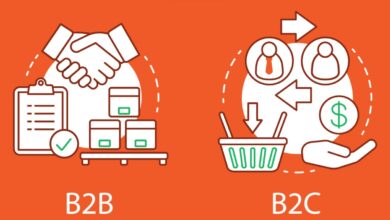
B2B, or business-to-business, refers to transactions where one company sells products or services to another. Unlike B2C (business-to-consumer), where the end-user is an individual, b2b companies serve other organizations—ranging from startups to multinational corporations. This model is foundational to global commerce, enabling everything from raw material procurement to enterprise software integration.
What Exactly Are B2B Companies?
B2B companies operate across diverse sectors, including manufacturing, technology, logistics, and professional services. Their primary clients are other businesses, which use their offerings to support internal operations, enhance productivity, or resell to end customers. For example, a cloud infrastructure provider like Amazon Web Services (AWS) serves thousands of companies by offering scalable computing resources.
- B2B transactions typically involve higher order values than B2C.
- Decision-making processes are longer and involve multiple stakeholders.
- Sales cycles are complex, often requiring relationship-building and customized solutions.
Key Differences Between B2B and B2C Models
While both models aim to generate revenue, the approach, messaging, and customer journey differ significantly. B2C marketing emphasizes emotion, speed, and mass appeal. In contrast, b2b companies focus on logic, ROI, and long-term value.
Target Audience: B2B targets professionals and decision-makers; B2C targets individual consumers.Purchasing Motivation: B2B buyers seek efficiency, cost reduction, and scalability; B2C buyers are driven by personal needs and desires.Marketing Channels: B2B relies on LinkedIn, whitepapers, and webinars; B2C uses Instagram, TikTok, and TV ads..
“The essence of B2B isn’t just selling to businesses—it’s solving their problems at scale.” — Forbes Insights
The Evolution of B2B Companies in the Digital Age
The digital revolution has transformed how b2b companies operate, market, and deliver value.What was once a world dominated by trade shows, cold calls, and paper catalogs has shifted toward data-driven, digital-first strategies.Today’s b2b companies leverage automation, AI, and e-commerce platforms to streamline operations and enhance customer experiences..
From Catalogs to Cloud: A Historical Shift
In the 20th century, b2b companies relied heavily on physical interactions—sales reps visiting offices, faxing purchase orders, and attending industry expos. The rise of the internet in the 1990s introduced B2B e-commerce portals, but adoption was slow. Fast forward to the 2020s, and platforms like Alibaba and SAP Ariba have digitized procurement for millions of businesses worldwide.
- Early B2B platforms focused on information dissemination.
- Modern platforms enable end-to-end transactions, including payments and logistics tracking.
- Mobile accessibility has made B2B purchasing more flexible than ever.
Impact of Technology on B2B Operations
Technological advancements have not only changed how b2b companies sell but also how they operate internally. Cloud computing, CRM systems, and AI-powered analytics allow for real-time decision-making and personalized customer engagement.
- CRM tools like Salesforce help manage complex sales pipelines.
- AI chatbots handle initial customer inquiries, reducing response times.
- Data analytics enable predictive forecasting and inventory optimization.
Top Industries Dominated by B2B Companies
B2B activity spans nearly every sector of the economy. However, certain industries are particularly reliant on business-to-business relationships. These sectors often involve high-value contracts, long-term partnerships, and specialized knowledge.
Manufacturing and Industrial Supply
This sector includes companies that produce machinery, components, and raw materials for other manufacturers. For example, a steel producer supplies automotive companies, while a semiconductor manufacturer serves electronics firms.
- Just-in-time (JIT) inventory systems require precise coordination between b2b companies.
- Global supply chains increase dependency on reliable B2B partners.
- Quality control and compliance are critical due to safety and regulatory standards.
Information Technology and SaaS
One of the fastest-growing B2B segments is software-as-a-service (SaaS). Companies like Microsoft and Zoom provide tools that enable remote work, collaboration, and data management.
- SaaS models offer subscription-based revenue, ensuring recurring income.
- Integration with existing systems (like ERP or HR platforms) is a key selling point.
- Security and uptime are top concerns for enterprise clients.
Professional Services and Consulting
Firms offering legal, financial, marketing, or strategic consulting operate exclusively in the B2B space. Their value lies in expertise and outcomes, not physical products.
- Consulting fees can range from thousands to millions per project.
- Reputation and case studies heavily influence client acquisition.
- Long-term retainers are common for ongoing advisory roles.
Key Challenges Facing B2B Companies Today
Despite their critical role in the economy, b2b companies face numerous challenges. These range from operational inefficiencies to evolving customer expectations. Addressing these issues is essential for long-term sustainability and growth.
Complex Sales Cycles and Decision-Making Units
Unlike B2C, where a single person can make a purchase instantly, b2b companies often deal with committees, procurement departments, and multi-layered approval processes. This complexity slows down sales and increases the cost of customer acquisition.
- Average B2B sales cycle can last 3–6 months or longer.
- Buyers expect detailed proposals, demos, and ROI calculations.
- Sales teams must engage with various stakeholders: technical evaluators, budget holders, and end-users.
Customer Retention and Churn Management
Acquiring a new B2B customer can cost five to seven times more than retaining an existing one. Yet, many b2b companies struggle with churn due to poor onboarding, lack of support, or failure to demonstrate ongoing value.
- Regular check-ins and success planning reduce churn risk.
- Customer success teams are now standard in SaaS and enterprise software firms.
- Usage analytics help identify at-risk accounts before they cancel.
Adapting to Digital Transformation
Many traditional b2b companies were slow to adopt digital tools. Now, they face pressure to modernize or risk losing market share to agile, tech-native competitors.
- Legacy systems hinder integration with modern platforms.
- Employees may resist change due to lack of training.
- Investing in digital infrastructure requires significant capital and strategic planning.
7 Powerful Strategies for B2B Companies to Succeed
To thrive in today’s competitive landscape, b2b companies must adopt forward-thinking strategies that align with market demands and technological trends. These seven proven approaches can drive growth, improve customer satisfaction, and build brand authority.
1. Build a Customer-Centric Sales Model
Modern B2B buyers expect personalized experiences. A one-size-fits-all approach no longer works. Successful b2b companies tailor their messaging, pricing, and solutions based on the client’s industry, size, and pain points.
- Use buyer personas to guide sales conversations.
- Leverage CRM data to anticipate client needs.
- Offer flexible pricing models (e.g., usage-based, tiered).
2. Invest in Content Marketing and Thought Leadership
Content is a powerful tool for educating prospects and establishing credibility. B2B buyers consume an average of 13 pieces of content before making a decision. High-quality blogs, whitepapers, case studies, and webinars position your company as an industry leader.
- Publish research reports that address industry challenges.
- Create video tutorials and product demos.
- Repurpose content across platforms (LinkedIn, email, YouTube).
3. Leverage Data and Analytics for Smarter Decisions
Data-driven insights allow b2b companies to optimize pricing, forecast demand, and personalize outreach. Tools like Google Analytics, HubSpot, and Tableau provide visibility into customer behavior and campaign performance.
- Track lead sources to allocate marketing budgets effectively.
- Monitor customer engagement to identify upsell opportunities.
- Use predictive analytics to reduce inventory waste.
4. Embrace Automation and AI
Automation streamlines repetitive tasks, from email follow-ups to invoice processing. AI enhances this by enabling intelligent recommendations and chatbot support.
- Marketing automation platforms (e.g., Marketo) nurture leads 24/7.
- AI-powered sales assistants suggest optimal outreach times.
- Robotic Process Automation (RPA) reduces manual errors in order fulfillment.
5. Strengthen Customer Success Programs
Customer success goes beyond support—it’s about ensuring clients achieve their desired outcomes. Proactive engagement increases retention and drives referrals.
- Assign dedicated success managers to key accounts.
- Conduct quarterly business reviews (QBRs) to assess ROI.
- Offer training and certification programs.
6. Expand Through Strategic Partnerships
Collaborating with complementary b2b companies can open new markets and enhance product offerings. For example, a cybersecurity firm might partner with a cloud provider to offer bundled services.
- Co-marketing campaigns amplify reach.
- Integration partnerships improve product functionality.
- Channel partnerships extend distribution networks.
7. Optimize the Digital Buying Experience
Today’s B2B buyers expect seamless online experiences—similar to B2C. From intuitive websites to self-service portals, the digital journey must be frictionless.
- Enable online quoting and contract signing.
- Offer transparent pricing (where possible).
- Ensure mobile responsiveness and fast load times.
The Role of Digital Marketing in B2B Growth
Digital marketing has become the backbone of b2b companies’ growth strategies. Unlike traditional methods, digital channels offer measurable ROI, precise targeting, and scalable outreach. A well-executed digital strategy can generate high-quality leads and build brand equity over time.
Search Engine Optimization (SEO) for B2B
SEO helps b2b companies appear in search results when prospects are researching solutions. Since B2B queries are often long-tail and intent-driven (e.g., “best CRM for mid-sized manufacturing firms”), optimizing for these keywords is crucial.
- Create pillar pages and topic clusters around core offerings.
- Optimize meta descriptions, headers, and image alt text.
- Build backlinks from industry publications and directories.
Pay-Per-Click (PPC) Advertising and Lead Generation
PPC campaigns on Google Ads and LinkedIn Ads allow b2b companies to target specific job titles, industries, and company sizes. These platforms are ideal for capturing high-intent leads.
- Use LinkedIn Sponsored Content to reach decision-makers.
- Retarget website visitors with tailored ads.
- A/B test landing pages to improve conversion rates.
Social Media and Community Building
While B2C brands dominate consumer social media, B2B companies thrive on professional networks like LinkedIn and niche communities (e.g., Slack groups, industry forums).
- Share thought leadership articles and company updates.
- Engage in comments and discussions to build relationships.
- Host live Q&A sessions or webinars via LinkedIn Live.
Future Trends Shaping B2B Companies
The future of b2b companies is being shaped by emerging technologies, shifting buyer behaviors, and global economic trends. Staying ahead requires foresight, agility, and a willingness to innovate.
Rise of AI and Predictive Commerce
AI is moving beyond automation into predictive commerce—where systems anticipate buyer needs before they arise. For example, an AI tool might suggest replenishing inventory based on usage patterns.
- AI-driven recommendation engines will personalize B2B shopping.
- Predictive analytics will optimize supply chain logistics.
- Natural language processing (NLP) will enhance customer service chatbots.
Sustainability and Ethical Sourcing
More b2b companies are prioritizing sustainability, not just for PR but as a competitive advantage. Buyers increasingly favor suppliers with transparent, eco-friendly practices.
- Carbon footprint tracking is becoming a standard request.
- Circular economy models (e.g., product-as-a-service) are gaining traction.
- ESG (Environmental, Social, Governance) reporting is expected by investors and clients.
Globalization and Localization Balance
While b2b companies expand globally, they must also localize their offerings. Cultural nuances, regulatory requirements, and language differences impact how services are delivered and perceived.
- Adapt marketing messages for regional markets.
- Comply with local data privacy laws (e.g., GDPR, CCPA).
- Establish regional support teams for faster response times.
What are b2b companies?
B2B companies, or business-to-business companies, are organizations that sell products or services to other businesses rather than individual consumers. Examples include software providers, industrial equipment manufacturers, and consulting firms.
How do b2b companies differ from b2c companies?
B2B companies typically have longer sales cycles, higher transaction values, and more complex decision-making processes involving multiple stakeholders. In contrast, B2C companies focus on emotional appeals and quicker purchases by individual consumers.
What are the biggest challenges for b2b companies?
Key challenges include managing complex sales cycles, retaining customers, adapting to digital transformation, and competing with tech-savvy startups. Additionally, demonstrating clear ROI and navigating global supply chains are ongoing concerns.
Which industries rely most on b2b companies?
Industries such as manufacturing, information technology, healthcare, logistics, and professional services heavily depend on b2b companies for supplies, software, and expertise. The SaaS and cloud computing sectors have seen explosive B2B growth in recent years.
How can b2b companies improve customer retention?
B2B companies can improve retention by investing in customer success programs, offering proactive support, conducting regular business reviews, and continuously demonstrating value through data and outcomes.
In conclusion, b2b companies are the backbone of global commerce, driving innovation and efficiency across industries. By understanding their unique dynamics, embracing digital transformation, and adopting customer-centric strategies, these organizations can not only survive but thrive in an increasingly competitive landscape. The future belongs to those who leverage data, build strong partnerships, and prioritize long-term value over short-term gains.
Further Reading: