When it comes to optimizing workspace efficiency, b2b cabinets are more than just storage—they’re strategic tools for modern enterprises. From sleek server enclosures to modular office units, these solutions blend functionality with professionalism.




Understanding B2B Cabinets: Definition and Core Purpose

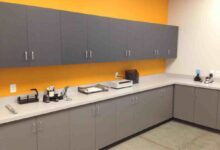
B2B cabinets refer to specialized storage and organizational units designed specifically for business-to-business environments. Unlike consumer-grade furniture, these cabinets are engineered for durability, scalability, and integration within professional infrastructures. They serve as critical components in industries ranging from IT and healthcare to manufacturing and logistics.
What Sets B2B Cabinets Apart from Consumer Models?
The primary distinction lies in design intent. While home cabinets prioritize aesthetics and basic utility, b2b cabinets are built for heavy-duty use, compliance standards, and seamless integration into complex operational workflows. They often feature reinforced materials, lockable compartments, and modular configurations tailored to industry-specific needs.
- Industrial-grade steel or aluminum construction
- Compliance with OSHA, ISO, or IT infrastructure standards
- Customizable shelving, drawers, and access controls
“In high-demand environments, the right cabinet isn’t a luxury—it’s a necessity for safety, efficiency, and scalability.” — Facility Management Today
Key Industries Utilizing B2B Cabinets
B2B cabinets are indispensable across multiple sectors. In data centers, server cabinets protect sensitive hardware. In healthcare, medical storage units ensure sterile, organized environments. Manufacturing plants rely on tool cabinets for equipment security, while corporate offices use filing and supply cabinets to streamline daily operations.
- IT & Data Centers: Server and network cabinets
- Healthcare: Medication and specimen storage units
- Industrial: Tool cribs and safety equipment enclosures
For a comprehensive overview of industrial cabinet standards, visit OSHA’s official guidelines.
The Evolution of B2B Cabinets in the Digital Age
The digital transformation of workplaces has redefined the role of b2b cabinets. No longer passive storage units, today’s models are intelligent, connected, and integrated into broader facility management systems. This evolution reflects a shift from static furniture to dynamic components of smart infrastructure.
From Manual Storage to Smart Cabinets
Traditional cabinets required manual inventory tracking and physical access control. Modern b2b cabinets now incorporate RFID tags, biometric locks, and IoT sensors that monitor temperature, humidity, and usage patterns. These features enable real-time inventory management and predictive maintenance.
- RFID-enabled access for audit trails
- IoT integration for environmental monitoring
- Cloud-connected dashboards for remote oversight
Companies like Honeywell have pioneered smart cabinet systems that reduce human error and enhance accountability in high-security environments.
Impact of Automation on Cabinet Design
As automation becomes standard in warehouses and offices, b2b cabinets are being redesigned to support robotic access, automated retrieval systems, and AI-driven logistics. For example, automated storage and retrieval systems (AS/RS) use robotic arms to fetch items from high-density cabinets, minimizing labor costs and maximizing space utilization.
- Robotic integration in warehouse cabinets
- AI-powered inventory forecasting
- Modular designs compatible with conveyor systems
“The future of storage is not just smart—it’s autonomous.” — Logistics Tech Review
Top 5 Types of B2B Cabinets for Enterprise Use
Businesses today have access to a wide range of b2b cabinets, each designed for specific operational demands. Understanding these types helps organizations select the right solution for their unique needs.
1. Server and Network Cabinets
These are the backbone of IT infrastructure, housing servers, routers, switches, and power distribution units. Designed for data centers and server rooms, they offer thermal management, cable organization, and physical security.
- Available in wall-mount and floor-standing models
- Equipped with cooling fans and ventilation panels
- Support for UPS integration and surge protection
For technical specifications, refer to APC by Schneider Electric, a global leader in server cabinet solutions.
2. Medical and Laboratory Storage Units
In healthcare settings, b2b cabinets must meet strict hygiene and safety standards. These include refrigerated medication cabinets, biohazard storage, and sterile instrument organizers.
- Antimicrobial surface coatings
- Temperature-controlled compartments
- Compliance with HIPAA and FDA regulations
“A single mismanaged medication can cost lives—precision storage saves them.” — Journal of Clinical Safety
3. Industrial Tool and Equipment Cabinets
Used in manufacturing, construction, and maintenance facilities, these cabinets store heavy tools, PPE, and machinery parts. They are built to withstand harsh environments and frequent use.
- Heavy-duty steel frames with reinforced locks
- Adjustable shelves for oversized tools
- Fire-resistant and chemical-proof variants
Brands like Gray Tools offer customizable industrial cabinets with lifetime warranties.
How B2B Cabinets Improve Operational Efficiency
Efficiency is the cornerstone of successful business operations, and b2b cabinets play a pivotal role in achieving it. By organizing resources, securing assets, and reducing downtime, these units contribute directly to productivity and cost savings.
Reducing Downtime with Organized Storage
Disorganized workspaces lead to wasted time searching for tools or documents. B2B cabinets standardize storage protocols, ensuring that every item has a designated place. This reduces retrieval time and minimizes workflow interruptions.
- Color-coded labeling systems
- Modular drawer inserts for small parts
- Digital inventory tracking via QR codes
“A 10-second reduction in tool retrieval can save 50 hours annually per worker.” — Industrial Efficiency Institute
Enhancing Security and Compliance
In regulated industries, unauthorized access to equipment or data can result in fines or legal action. B2B cabinets with electronic locks, audit trails, and tamper alerts help maintain compliance with standards like GDPR, HIPAA, and ISO 27001.
- Biometric and PIN-based access control
- Real-time alerts for unauthorized access attempts
- Integration with enterprise security systems
For compliance frameworks, explore ISO’s official documentation.
Customization Options for B2B Cabinets
One-size-fits-all solutions rarely work in complex business environments. The ability to customize b2b cabinets ensures they align perfectly with spatial constraints, workflow patterns, and aesthetic requirements.
Material and Finish Choices
Businesses can choose from a variety of materials based on durability and environment. Steel offers strength, aluminum provides lightweight corrosion resistance, and laminated wood blends professionalism with cost-efficiency.
- Powder-coated finishes for scratch resistance
- Stainless steel for sterile or outdoor use
- Custom branding with company logos and colors
Modular and Expandable Designs
As businesses grow, so do their storage needs. Modular b2b cabinets allow for vertical stacking, lateral expansion, and reconfiguration without replacing entire units. This scalability makes them ideal for startups and expanding enterprises.
- Interlocking frame systems
- Plug-and-play drawer modules
- Compatibility with existing furniture lines
“Modularity isn’t just a feature—it’s a long-term investment in adaptability.” — Office Design Quarterly
The Role of B2B Cabinets in Sustainable Business Practices
Sustainability is no longer optional—it’s a competitive advantage. B2B cabinets contribute to green initiatives through energy efficiency, recyclable materials, and reduced waste.
Energy-Efficient Server Cabinets
Data centers consume massive amounts of energy. Modern server cabinets integrate energy-saving technologies such as variable-speed fans, hot/cold aisle containment, and intelligent power distribution.
- Energy Star-rated components
- Thermal sensors for dynamic cooling
- Reduced carbon footprint through optimized airflow
Learn more about green data centers at Energy Star’s website.
Recyclable and Eco-Friendly Materials
Manufacturers are increasingly using recycled steel, low-VOC coatings, and biodegradable packaging. Some companies even offer take-back programs to recycle old cabinets responsibly.
- Up to 80% recycled content in metal cabinets
- Non-toxic finishes safe for indoor air quality
- Certifications like Cradle to Cradle or GREENGUARD
Future Trends Shaping the B2B Cabinets Market
The b2b cabinets industry is evolving rapidly, driven by technological innovation, changing workplace dynamics, and sustainability demands. Staying ahead of these trends ensures businesses remain competitive and efficient.
AI-Powered Inventory Management
Artificial intelligence is transforming how cabinets track and manage inventory. AI algorithms analyze usage patterns, predict restocking needs, and even reorder supplies automatically through integrated procurement systems.
- Predictive analytics for consumable tracking
- Voice-activated retrieval systems
- Integration with ERP platforms like SAP or Oracle
“The next generation of cabinets won’t just store—they’ll think.” — TechForward Insights
Hybrid Work Models and Cabinet Design
With the rise of hybrid work, office spaces are being reimagined. B2B cabinets are now designed to support flexible layouts, hot-desking, and secure personal storage for remote employees during office visits.
- Lockable personal lockers with digital access
- Mobile cabinet units on wheels
- Integration with room booking software
For insights on hybrid workspace trends, visit Gartner’s Workplace Innovation Report.
What are b2b cabinets used for?
B2B cabinets are used for secure, organized storage in professional environments. They house everything from IT servers and medical supplies to industrial tools and office documents, ensuring efficiency, safety, and compliance.
How do smart b2b cabinets work?
Smart b2b cabinets use IoT sensors, RFID tags, and biometric locks to monitor access, track inventory, and manage environmental conditions. Data is often sent to cloud platforms for real-time oversight and analytics.
Are b2b cabinets customizable?
Yes, most b2b cabinets offer customization in size, material, locking mechanisms, and internal configuration. Many manufacturers provide modular designs that can be expanded or reconfigured as business needs change.
What industries benefit most from b2b cabinets?
IT, healthcare, manufacturing, logistics, and corporate offices benefit significantly. Each sector uses specialized cabinets tailored to regulatory, security, and operational demands.
How do b2b cabinets support sustainability?
They support sustainability through energy-efficient designs (especially in server cabinets), use of recycled materials, and long lifespans that reduce waste. Some models also include eco-certifications and take-back recycling programs.
In conclusion, b2b cabinets are far more than simple storage solutions—they are strategic assets that enhance security, efficiency, and sustainability across industries. From smart server enclosures to modular medical units, their evolution reflects the growing complexity of modern business operations. As technology advances and workplace models shift, investing in the right b2b cabinets will remain a critical decision for forward-thinking organizations.
Further Reading: