Ever wondered why some companies thrive by selling to other businesses while others struggle? The world of B2B business isn’t just about sales—it’s about strategy, relationships, and long-term value. Let’s dive into what makes it tick.





Understanding the Core of B2B Business

The term b2b business refers to transactions between businesses, such as a manufacturer selling to a wholesaler or a software company licensing tools to another enterprise. Unlike B2C (business-to-consumer), B2B focuses on solving complex problems, building trust, and delivering measurable ROI.
What Defines a B2B Model?
A B2B business model revolves around providing products or services that help other organizations operate more efficiently, reduce costs, or scale operations. These can range from raw materials and industrial equipment to SaaS platforms and consulting services.
- Sales cycles are typically longer and involve multiple stakeholders.
- Decision-making is rational, data-driven, and often requires approval from various departments.
- Customer relationships are long-term and built on trust and performance.
“B2B is not just about selling—it’s about solving business problems at scale.” — Forbes Insights
Key Differences Between B2B and B2C
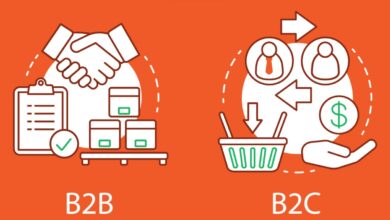
While both models aim to generate revenue, their approaches differ significantly. In a b2b business, the buyer is usually a company representative making decisions based on logic, cost-efficiency, and strategic alignment. In contrast, B2C buyers are often influenced by emotions, branding, and immediate needs.
- B2B purchases involve higher order values and longer negotiation periods.
- Marketing in B2B emphasizes thought leadership, case studies, and ROI metrics.
- Customer support in B2B is more personalized and often includes dedicated account managers.
For deeper insights into consumer behavior contrasts, check out Harvard Business Review’s analysis.
Why B2B Business Is More Resilient Than Ever
In recent years, the global shift toward digital transformation has supercharged the b2b business landscape. Companies are investing heavily in automation, cloud infrastructure, cybersecurity, and AI-driven analytics—all of which are primarily delivered through B2B channels.
Post-Pandemic Shifts in B2B Dynamics
The pandemic accelerated remote work and digital adoption, forcing businesses to rethink how they buy and sell. Virtual sales meetings, digital procurement platforms, and e-signature tools became standard overnight.
- According to McKinsey, 75% of B2B buyers now prefer digital self-service options.
- Hybrid selling models (online + offline) have become the norm.
- Buyers expect faster response times and seamless digital experiences.
This shift has made agility and digital readiness critical for any modern b2b business. Learn more about this evolution at McKinsey & Company.
Globalization and Supply Chain Evolution
As supply chains become more interconnected, B2B players are expanding beyond local markets. A manufacturer in Germany might source components from South Korea, use logistics from Singapore, and sell finished goods to distributors in Brazil—all coordinated through digital B2B platforms.
- Platforms like Alibaba and ThomasNet connect global suppliers with buyers.
- Blockchain and IoT are improving transparency and traceability in B2B transactions.
- Trade agreements and regional economic blocs influence cross-border B2B activity.
“The future of B2B lies in interconnected ecosystems, not isolated transactions.” — World Economic Forum
Top 7 Strategies to Scale Your B2B Business
Growing a successful b2b business requires more than just a great product. It demands a strategic approach to sales, marketing, customer success, and innovation. Here are seven proven strategies that top-performing B2B companies use to dominate their markets.
1. Build a Customer-Centric Sales Funnel
A well-structured sales funnel guides potential clients from awareness to decision-making. In a b2b business, this funnel must be educational, consultative, and highly personalized.
- Map out buyer personas for different roles (e.g., CFO, CTO, procurement manager).
- Create content tailored to each stage: blog posts for awareness, whitepapers for consideration, demos for decision.
- Use CRM tools like HubSpot or Salesforce to track interactions and automate follow-ups.
For a detailed breakdown of B2B funnel optimization, visit HubSpot’s guide.
2. Leverage Account-Based Marketing (ABM)
ABM is one of the most powerful strategies in modern b2b business growth. Instead of casting a wide net, ABM targets high-value accounts with personalized campaigns.
- Identify key decision-makers within target companies.
- Develop customized messaging, content, and offers for each account.
- Align sales and marketing teams to engage prospects with precision.
Companies using ABM report 200% higher win rates, according to ABM Institute.
3. Invest in Thought Leadership and Content Authority
In B2B, credibility is currency. Businesses want to partner with vendors who understand their industry challenges and can offer expert solutions.
- Produce in-depth research reports, webinars, and case studies.
- Secure speaking opportunities at industry conferences.
- Get published in respected outlets like Harvard Business Review or IndustryWeek.
“People don’t buy products; they buy expertise wrapped in a solution.” — Neil Patel
The Role of Technology in Modern B2B Business
Technology is no longer just a support function—it’s the backbone of every successful b2b business. From AI-powered analytics to cloud-based collaboration tools, tech enables scalability, efficiency, and deeper customer insights.
Automation and AI in B2B Operations
Artificial intelligence is transforming how B2B companies prospect, qualify leads, and deliver customer service.
- Chatbots handle initial inquiries and route complex issues to human agents.
- Predictive analytics forecast customer churn and identify upsell opportunities.
- AI-driven email tools personalize outreach at scale.
Platforms like Drift and Conversica are leading the charge in AI-powered B2B engagement.
Cloud Platforms and SaaS Dominance
The rise of SaaS (Software as a Service) has redefined the b2b business model. Instead of one-time software sales, companies now offer subscription-based access to powerful tools.
- Recurring revenue models improve cash flow predictability.
- Continuous updates enhance product value over time.
- Integration with other tools (via APIs) increases stickiness.
Check out SaaStr for insights into scaling SaaS-based B2B businesses.
Building Long-Term Customer Relationships in B2B
Unlike B2C, where a single purchase might be the end of the interaction, a b2b business thrives on long-term partnerships. Retaining customers is often more profitable than acquiring new ones.
Customer Success as a Growth Engine
Customer success goes beyond support—it’s about ensuring clients achieve their desired outcomes using your product or service.
- Assign dedicated customer success managers (CSMs) to high-value accounts.
- Conduct regular business reviews to assess ROI and alignment.
- Offer training, onboarding, and best practice guides to maximize adoption.
“In B2B, the sale ends when the customer succeeds.” — Lincoln Murphy, Customer Success Expert
Reducing Churn Through Proactive Engagement
Churn is a silent killer in b2b business. Even a 5% reduction in churn can increase profits by up to 95%, according to Bain & Company.
- Monitor usage patterns to detect disengagement early.
- Send personalized check-ins before renewal dates.
- Offer flexible pricing or added value to retain at-risk accounts.
Learn more about churn reduction strategies at Bain & Company.
Measuring Success: Key Metrics for B2B Business
You can’t improve what you don’t measure. In a b2b business, tracking the right KPIs is essential for growth, profitability, and strategic decision-making.
Customer Acquisition Cost (CAC)
CAC measures how much it costs to acquire a new customer, including marketing and sales expenses.
- Formula: Total Sales & Marketing Spend / Number of New Customers Acquired.
- Aim for a CAC that is significantly lower than customer lifetime value (LTV).
- High CAC may indicate inefficient targeting or lengthy sales cycles.
Customer Lifetime Value (LTV)
LTV estimates the total revenue a business can expect from a single customer account over the entire relationship.
- Formula: Average Revenue per Account × Gross Margin % × Average Customer Lifespan.
- A healthy LTV:CAC ratio is typically 3:1 or higher.
- LTV helps justify investments in customer retention and upselling.
Monthly Recurring Revenue (MRR) and Annual Recurring Revenue (ARR)
For subscription-based b2b business models, MRR and ARR are critical indicators of financial health.
- MRR tracks predictable revenue on a monthly basis.
- ARR annualizes this figure, useful for forecasting and valuation.
- Track growth rate, churn rate, and expansion MRR (from upgrades).
“Revenue is vanity, profit is sanity, but cash flow is king.” — Keith Cunningham
Challenges Facing B2B Businesses Today
Despite its resilience, the b2b business world faces significant challenges—from economic volatility to talent shortages and cybersecurity threats.
Economic Uncertainty and Budget Constraints
In times of recession or inflation, businesses tighten spending. Non-essential B2B services are often the first to be cut.
- Position your offering as a cost-saving or efficiency-boosting solution.
- Offer flexible payment terms or phased implementation.
- Focus on industries with stable demand (e.g., healthcare, utilities).
Talent Acquisition and Retention
Finding skilled sales reps, marketers, and technical staff is increasingly difficult in a competitive job market.
- Invest in training and career development programs.
- Offer remote work options to access global talent.
- Build a strong employer brand through thought leadership and culture.
Cybersecurity and Data Privacy Risks
B2B companies handle sensitive data, making them prime targets for cyberattacks.
- Implement zero-trust security frameworks.
- Comply with regulations like GDPR and CCPA.
- Conduct regular audits and employee training on phishing and social engineering.
For best practices, refer to CISA’s cybersecurity guidelines.
Future Trends Shaping the B2B Business Landscape
The b2b business of tomorrow will be defined by innovation, personalization, and ecosystem integration. Staying ahead means anticipating these shifts today.
Rise of AI-Powered Personalization
AI will enable hyper-personalized experiences, from dynamic pricing to tailored content delivery.
- Use machine learning to predict customer needs before they arise.
- Deliver customized product recommendations based on usage data.
- Automate proposal generation with AI-driven templates.
Expansion of B2B Marketplaces
Just as Amazon transformed B2C, digital marketplaces are reshaping B2B procurement.
- Platforms like Amazon Business and Faire streamline purchasing.
- Marketplaces reduce friction and increase discovery for niche suppliers.
- Sellers gain access to large buyer networks without heavy sales overhead.
Sustainability and Ethical Sourcing
More B2B buyers are prioritizing sustainability in their vendor selection.
- Highlight eco-friendly practices in your operations and supply chain.
- Obtain certifications like ISO 14001 or B Corp status.
- Report on ESG (Environmental, Social, Governance) metrics transparently.
“Sustainability is no longer a nice-to-have—it’s a competitive advantage.” — Deloitte Insights
What is the main difference between B2B and B2C?
The main difference lies in the buyer profile and decision-making process. B2B involves organizations buying products or services to support their operations, with decisions based on ROI, efficiency, and long-term value. B2C involves individual consumers making purchases based on personal needs, emotions, and branding. B2B sales cycles are longer, involve multiple stakeholders, and focus on relationship-building.
How do I start a successful B2B business?
To start a successful b2b business, identify a clear market need, define your ideal customer profile, and develop a solution that delivers measurable value. Build a strong value proposition, create educational content, and leverage digital channels like LinkedIn and email marketing. Invest in a CRM system, focus on customer success, and continuously refine your offering based on feedback.
What are the most effective marketing strategies for B2B?
The most effective B2B marketing strategies include content marketing, account-based marketing (ABM), thought leadership, SEO, and LinkedIn outreach. Producing high-quality whitepapers, case studies, and webinars builds credibility. ABM allows for personalized engagement with high-value accounts. SEO helps attract organic traffic from decision-makers searching for solutions.
Why is customer retention important in B2B?
Customer retention is crucial in b2b business because acquiring new customers is significantly more expensive than retaining existing ones. Long-term clients generate recurring revenue, provide referrals, and offer valuable feedback for product improvement. High retention rates also improve LTV:CAC ratios and overall profitability.
What role does technology play in B2B growth?
Technology drives efficiency, scalability, and insight in modern b2b business. CRM systems streamline sales processes, AI enhances personalization, and cloud platforms enable remote collaboration. Automation reduces manual tasks, while data analytics inform strategic decisions. Companies that embrace digital tools gain a competitive edge in speed, accuracy, and customer experience.
Mastering the intricacies of a b2b business requires a blend of strategic thinking, technological adoption, and relationship management. From understanding the fundamental differences between B2B and B2C to leveraging cutting-edge tools like AI and ABM, success lies in delivering consistent value. The future belongs to those who prioritize customer success, embrace innovation, and adapt to evolving market dynamics. Whether you’re launching a startup or scaling an enterprise, the principles outlined here provide a roadmap for sustainable growth in the dynamic world of B2B.
Further Reading: