Ever wondered how a global giant like Adidas dominates the B2B space? It’s not just about iconic stripes—it’s strategy, innovation, and partnerships that fuel its success. Let’s dive into the world of b2b adidas and uncover what makes it a powerhouse.





b2b adidas: Understanding the Core Business Model

At its heart, b2b adidas operates on a sophisticated business-to-business framework that extends far beyond retail. While consumers see the brand on sneakers and jerseys, the real engine runs behind the scenes—supplying products, licensing technology, and collaborating with global partners. The B2B arm of Adidas is instrumental in scaling operations, managing distribution networks, and ensuring brand consistency across markets.
What Defines b2b adidas?
The term b2b adidas refers to Adidas’s commercial relationships with other businesses rather than individual consumers. This includes partnerships with sports teams, retailers, manufacturers, and even tech companies. These relationships are built on long-term contracts, bulk ordering, co-branded product development, and supply chain integration.
- Wholesale distribution to sporting goods retailers
- Licensing agreements with apparel manufacturers
- Collaborations with fitness tech startups
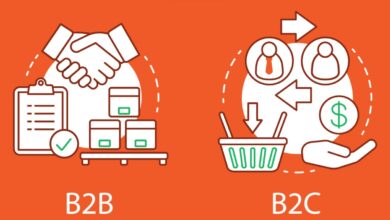
Unlike B2C (business-to-consumer), where marketing focuses on emotional appeal and branding, b2b adidas emphasizes reliability, scalability, and performance metrics. For example, when Adidas supplies kits to a Premier League football club, it’s not just selling jerseys—it’s delivering a complete performance solution backed by R&D, logistics, and brand alignment.
How b2b adidas Differs from B2C Operations
While both B2B and B2C arms of Adidas share the same brand identity, their operational goals diverge significantly. B2C focuses on mass appeal, seasonal campaigns, and direct consumer engagement through digital platforms and flagship stores. In contrast, b2b adidas targets decision-makers in organizations—procurement managers, team directors, and corporate buyers—who prioritize durability, cost-efficiency, and contractual terms.
“In B2B, relationships are longer, decisions are more complex, and the stakes are higher. One contract can impact millions in revenue.” — Retail Strategy Analyst, McKinsey & Company
For instance, while a B2C campaign might promote the latest Ultraboost shoes via Instagram influencers, a b2b adidas initiative could involve negotiating a multi-year supply deal with a national gym chain, complete with custom-fit training gear and integrated inventory management systems.
The Evolution of b2b adidas Over the Decades
The journey of b2b adidas mirrors the evolution of global sportswear commerce. From its humble beginnings in a German workshop to becoming a multinational corporation, Adidas has continuously adapted its B2B strategies to meet changing market dynamics. Understanding this transformation provides insight into how the company maintains its competitive edge.
Foundations: The Dassler Brothers Era
Adidas was founded in 1949 by Adolf Dassler after a split from his brother Rudolf, who went on to create Puma. From the outset, the brand focused on performance footwear for athletes. The early b2b adidas model involved direct sales to national sports federations and Olympic committees. One of the first major B2B wins came in 1954 when the West German football team wore Adidas cleats during the FIFA World Cup final—famously known as the “Miracle of Bern.”
- Direct supply to national teams
- Handcrafted shoes with screw-in studs
- Limited distribution network
This era laid the foundation for Adidas’s reputation as a performance-driven brand. The focus was on engineering excellence and building trust with elite athletes and institutions—a principle that still underpins b2b adidas today.
Global Expansion and Strategic Partnerships
The 1970s and 1980s marked a turning point for b2b adidas as the company expanded internationally. It began forming strategic alliances with sports leagues, universities, and retailers. By the 1990s, Adidas had established regional distribution hubs and signed major sponsorship deals, including becoming the official supplier of the NBA in 1997.
This period saw the formalization of the b2b adidas ecosystem. The company developed dedicated sales teams for institutional clients, introduced bulk pricing models, and invested in logistics infrastructure. A key milestone was the acquisition of Reebok in 2006, which significantly expanded Adidas’s B2B footprint in North America and gave it access to new distribution channels and corporate clients.
Key Industries Served by b2b adidas
b2b adidas doesn’t operate in a single vertical—it serves a diverse range of industries, each with unique demands and opportunities. From professional sports to corporate wellness programs, Adidas leverages its brand equity and product innovation to meet the needs of business clients across sectors.
Professional Sports Organizations
One of the most visible segments of b2b adidas is its work with professional sports teams and leagues. Adidas supplies kits, footwear, and training equipment to some of the world’s most prestigious organizations, including FC Bayern Munich, Real Madrid, and the German national football team.
- Custom-designed team apparel with advanced moisture-wicking fabrics
- Performance analytics integration (e.g., smart jerseys with biometric sensors)
- Long-term sponsorship and licensing agreements
These partnerships go beyond simple product supply. They often include marketing co-operations, joint promotional events, and exclusive product launches. For example, when Adidas renewed its deal with Manchester United in 2015, it included a £750 million commitment over 10 years—the largest kit deal in football history at the time (BBC Sport).
Educational and Collegiate Institutions
Universities and schools represent another major B2B market for Adidas. The company partners with athletic departments to outfit student-athletes, provide training gear, and support sports programs. In the U.S., Adidas has contracts with major NCAA schools like the University of Texas and UCLA.
These deals are not only about branding but also about fostering talent development. Adidas often integrates its products with performance tracking tools, allowing coaches to monitor athlete progress. Additionally, these partnerships serve as talent pipelines—college athletes wearing Adidas gear may later become professional endorsers.
“We don’t just sell to colleges—we invest in their athletic future.” — Adidas North America Spokesperson
Technology and Innovation in b2b adidas
Innovation is at the core of b2b adidas’s value proposition. The company doesn’t just manufacture products; it develops cutting-edge solutions that enhance performance, sustainability, and operational efficiency for its business clients.
Smart Apparel and Wearable Integration
Adidas has been at the forefront of integrating technology into sportswear. Through b2b adidas, the company offers smart garments embedded with sensors that track movement, heart rate, and muscle activity. These are particularly valuable for professional teams and fitness centers looking to optimize training regimens.
- Partnership with tech firms like Oura Ring and WHOOP for data integration
- Development of connected jerseys for real-time performance feedback
- Use of AI to analyze training data and recommend gear upgrades
For example, Adidas collaborated with the German Football Association (DFB) to create training kits that sync with mobile apps, allowing coaches to monitor player fatigue and injury risks in real time (Adidas Group News).
Sustainable Manufacturing and Circular Economy
Sustainability is no longer optional—it’s a business imperative. b2b adidas has responded by pioneering eco-friendly production methods and circular business models. Initiatives like Primeblue and Primegreen use recycled ocean plastic and post-consumer waste to create high-performance materials.
For B2B clients, this means they can meet corporate social responsibility (CSR) goals while maintaining product quality. Adidas also offers take-back programs where used gear is collected, recycled, and repurposed—ideal for large institutions managing thousands of uniforms.
“By 2025, 90% of our products will use sustainable materials.” — Kasper Rorsted, CEO of Adidas
b2b adidas Distribution and Supply Chain Network
A robust supply chain is the backbone of any successful B2B operation. For b2b adidas, this means managing a global network of factories, warehouses, and logistics partners to ensure timely delivery and product consistency.
Global Logistics and Regional Hubs
Adidas operates a decentralized distribution model with regional hubs in Europe, North America, and Asia. This allows b2b adidas to respond quickly to client demands, reduce shipping costs, and comply with local regulations.
- Central European hub in Herzogenaurach, Germany
- North American distribution center in Atlanta, USA
- Asia-Pacific logistics base in Shanghai, China
These hubs are equipped with automated inventory systems and real-time tracking, enabling seamless coordination between suppliers, manufacturers, and clients. For large orders—such as supplying 50,000 uniforms for a national school program—this infrastructure ensures scalability and reliability.
Inventory Management and Just-in-Time Delivery
Many b2b adidas clients operate on tight schedules, especially sports teams preparing for tournaments. To meet these demands, Adidas employs just-in-time (JIT) delivery systems that minimize warehousing costs and reduce waste.
Using predictive analytics, the company forecasts demand based on historical data, seasonality, and event calendars. For example, before the UEFA Champions League final, Adidas can pre-position kits at key locations to ensure rapid delivery to participating clubs.
This level of precision is made possible through partnerships with logistics giants like DHL and FedEx, which provide end-to-end visibility and tracking (DHL Customer Stories).
Marketing and Branding Strategies in b2b adidas
While B2C marketing relies heavily on emotional storytelling and influencer campaigns, b2b adidas uses a more data-driven, relationship-focused approach. The goal is to build trust, demonstrate ROI, and position Adidas as a strategic partner rather than just a vendor.
Account-Based Marketing (ABM) for Institutional Clients
Adidas employs account-based marketing to target high-value B2B clients such as national sports federations, university systems, and corporate wellness programs. This involves personalized outreach, tailored product demonstrations, and dedicated account managers.
- Customized product catalogs for each client
- On-site consultations with design and engineering teams
- Performance reports showing impact on athlete outcomes
For example, when pitching to a national Olympic committee, Adidas might present a full ecosystem: custom competition wear, recovery gear, and data analytics tools—all integrated under one contract.
Co-Branding and Joint Ventures
One of the most powerful tools in b2b adidas’s arsenal is co-branding. By partnering with other brands, Adidas amplifies its reach and credibility. Notable examples include collaborations with Parley for the Oceans (using recycled marine plastic) and Allbirds (exploring low-carbon footwear).
These ventures aren’t just marketing stunts—they result in tangible products sold through B2B channels. For instance, the Adidas x Parley collection is available to institutional buyers who want to align with environmental causes.
“Co-creation is the future of B2B innovation.” — Maria Bogner, Head of Sustainability at Adidas
Future Trends Shaping b2b adidas
As technology and consumer expectations evolve, so too must b2b adidas. The future of the B2B division will be shaped by digital transformation, personalization, and sustainability—three forces that are already redefining the industry.
Digital Platforms and E-Procurement Integration
Adidas is investing heavily in digital B2B platforms that streamline ordering, invoicing, and customer support. The Adidas Business Portal allows institutional clients to place bulk orders, track shipments, and access technical specifications—all in one place.
Moreover, the company is integrating with e-procurement systems used by large organizations, enabling seamless purchase order processing. This reduces administrative overhead and improves compliance with corporate purchasing policies.
AI-Driven Customization and Predictive Analytics
Imagine a school district ordering custom PE uniforms that are automatically sized based on student biometrics. Or a football academy receiving AI-generated recommendations for gear upgrades based on training data. This is the direction b2b adidas is heading.
- AI-powered sizing tools to reduce returns
- Predictive maintenance alerts for high-use equipment
- Dynamic pricing models based on order volume and delivery urgency
By leveraging artificial intelligence, b2b adidas can offer hyper-personalized solutions that enhance client satisfaction and loyalty.
What is b2b adidas?
b2b adidas refers to the business-to-business operations of Adidas, where the company partners with organizations such as sports teams, schools, retailers, and corporations to supply products, technology, and services. Unlike consumer-facing sales, b2b adidas focuses on long-term contracts, bulk distribution, and customized solutions.
How does b2b adidas differ from regular retail sales?
While retail (B2C) sales target individual consumers with marketing campaigns and emotional branding, b2b adidas deals with institutional buyers who prioritize functionality, cost-efficiency, and scalability. The sales cycle is longer, involves multiple stakeholders, and often includes custom product development and integrated logistics.
Does b2b adidas offer sustainable products?
Yes, sustainability is a core pillar of b2b adidas. The company uses recycled materials like Primeblue (made from ocean plastic) and Primegreen (recycled polyester) in many of its B2B product lines. It also offers take-back programs and circular economy solutions for large clients.
Can small businesses partner with b2b adidas?
While b2b adidas primarily serves large institutions and corporations, smaller businesses can access Adidas products through authorized wholesale distributors or regional partners. Direct contracts are typically reserved for high-volume clients with national or international reach.
What industries benefit most from b2b adidas?
The primary industries include professional sports, education (colleges and schools), fitness centers, corporate wellness programs, and government agencies. Any organization that requires performance apparel, team gear, or large-scale uniform distribution can benefit from b2b adidas solutions.
In conclusion, b2b adidas is far more than a behind-the-scenes operation—it’s a strategic powerhouse driving innovation, sustainability, and global growth. From supplying World Cup champions to pioneering eco-friendly materials, Adidas’s B2B arm plays a crucial role in shaping the future of sportswear. As digital transformation and AI continue to evolve, b2b adidas is poised to lead the industry with smarter, faster, and more responsible solutions. Whether you’re a procurement officer, a sports director, or a corporate strategist, understanding the depth and potential of b2b adidas can unlock new opportunities for partnership and performance.
Further Reading: